

Webster
Well-known member
- Joined
- May 11, 2019
- Messages
- 412
- Age
- 50
- Gender
- Male
- Religious Affiliation
- Seventh Day Adventist
- Political Affiliation
- Moderate
- Marital Status
- Single
- Acceptance of the Trinity & Nicene Creed
- Yes
SciTech Daily: Researchers Finally Solve a Decades-Old Mystery About Cellular Aging
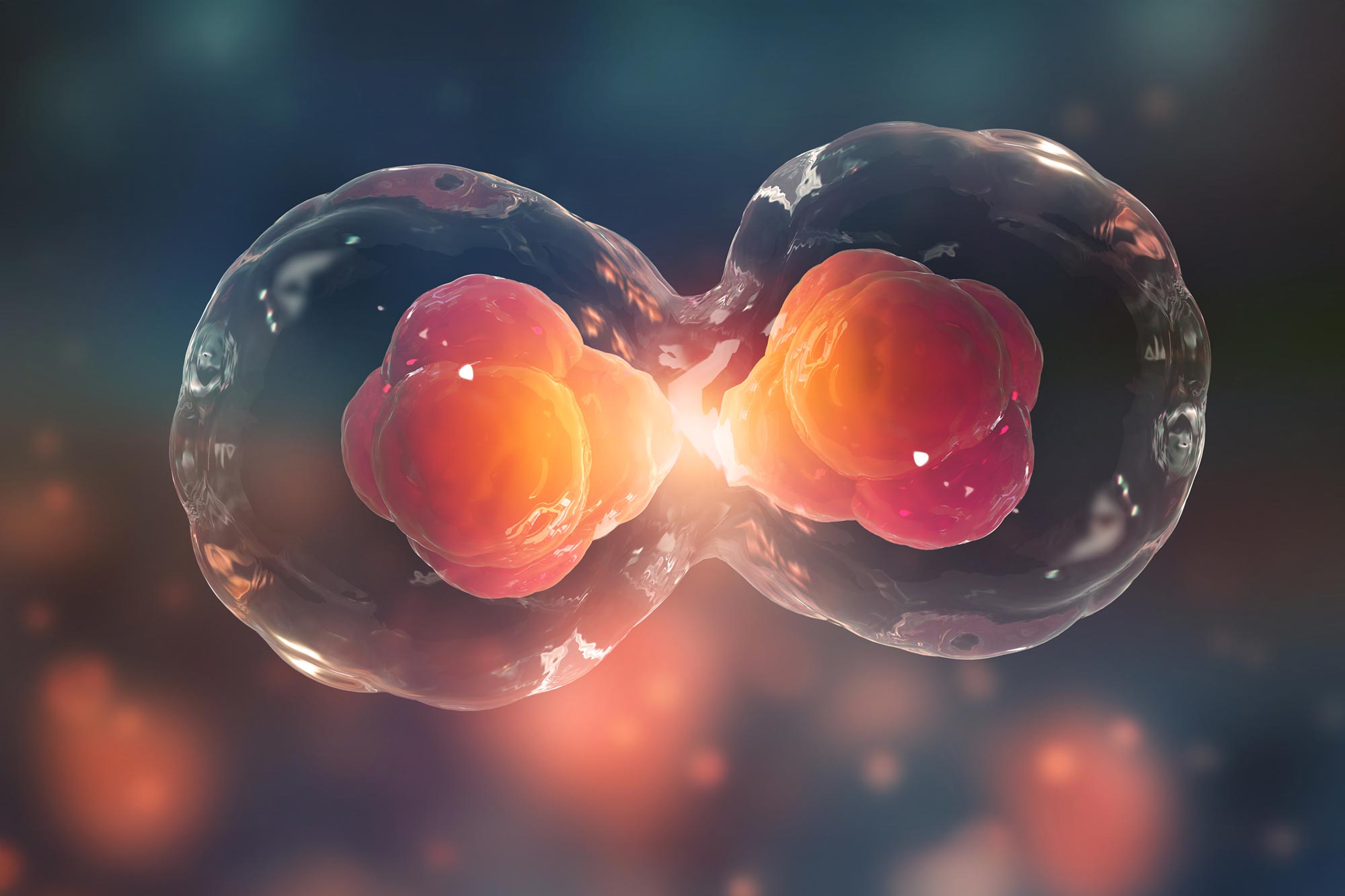
A new study identifies the molecular switch that determines when aging cells permanently stop dividing.
Every time a human cell divides, the tips of its chromosomes get a little shorter. Those tips, called telomeres, act like protective caps. Once they shrink too far, the cell treats the exposed chromosome ends as DNA damage and stops dividing for good.
That shutdown, known as replicative senescence, is one of the body’s built-in defenses against cancer. By forcing damaged or risky cells into permanent arrest, it can stop early cancer clones before they become full tumors. A new study in Molecular Cell now shows that this safety mechanism depends entirely on ATM kinase, a signaling protein that senses DNA breaks and helps protect genomic stability.
The work also helps explain a puzzle that has bothered cell biologists for decades. Cells grown in standard lab air, which contains far more oxygen than most tissues in the body, stop dividing sooner than cells kept at lower oxygen levels. According to the new findings, high oxygen makes ATM unusually reactive, causing cells to become less tolerant of short telomeres.
“Our results have illuminated the mechanism underlying the aging of human cells through replicative senescence,” says Titia de Lange, head of the Laboratory of Cell Biology and Genetics. “These insights are critical for understanding how this tumor suppression pathway prevents cancer.”
Researchers Finally Solve a Decades-Old Mystery About Cellular Aging
A new study identifies the molecular switch that determines when aging cells permanently stop dividing.
scitechdaily.com
