hello,.
1Co 5:7 ........For even Christ our passover is sacrificed for us:
:8 Therefore let us keep the feast, not with old leaven, neither with the leaven of malice and wickedness;
but with the unleavened bread of sincerity and truth.
i agree with you , it's a very sad situation that "The New World Translation - of Jehovah's witnesses " has attempted to alter and remedy what they perceive to be a mistake or a miscommunicated text in the manuscripts.
Could this go to show how truly narrow minded and limited some religious organizations truly are to be completely unable to put their faith in the intended comprehension of metaphors, allegories, symbolisms and imagery
but the real question is why would Jesus continually use metaphors, allegories, symbolism
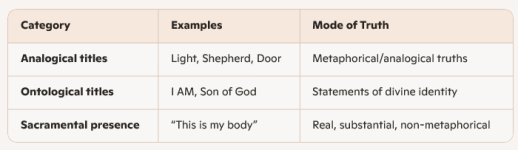
the reason is because Jesus is taking real life situations that people are focused upon and relating these distractions and focal points upon himself, which is the real meaning of salvation, eternal life and the voice of the Spirit of God.....in his word - Logos
for example --------- when the people were focused upon the temple and selling oxen, sheep and doves, and the exchanging of money, Jesus directed their focus and attention upon himself, using a metaphor or symbolism, relating himself and his own body to the temple.
BUT IN HIS symbolism - THEY DID NOT UNDERSTAND ANYTHING HE WAS SAYING
JESUS WAS DECLARING THAT HIS LITERAL BODY WAS THE LITERAL TEMPLE BUILDING STANDING THERE IN JERUSALEM
Joh 2:19 Jesus answered and said unto them, -
Destroy this temple, and in three days I will raise it up.
:21 But he spake of the temple of his body.
The people thought he was speaking of the
literal temple but
:22 When therefore he was risen from the dead, his disciples
remembered that he had said this unto them; and they believed the scripture, and the word which Jesus had said.
this is everywhere in the New Testament, Jesus is speaking to the multitude in
parables and when he is all alone with his disciples he explains the literal meaning of the
metaphors or symbolism
please remember
Mar 4:34 But
without a parable spake he not unto them: and when they were alone, he expounded all things to his disciples.
Mat 13:34 All these things spake Jesus unto the multitude in parables;
and without a parable spake he not unto them:
Please notice the words Jesus is saying in - “
Joh 6:55 “
my flesh is meat indeed,
and my blood is drink indeed.
Please notice that Jesus here is calling his flesh as meat and not as bread - - but his flesh is meat - so which is it ?
if we are going to take Jesus literally, - - is his flesh meat or is it bread ? ? ? ? ? ?
because he also calls himself as bread
If we continue to take Jesus literally, let’s finish what he is saying about his flesh and blood -
and remember that the Bible describes the believers also as flesh and blood of the anointing / Christ
should we go deeper into revelation and begin eating one another in a Catholic Eucharist Mass ? ?
Just directly after Jesus proclaimed that his flesh and blood was meat and drink.....
.Joh 6:61 ……….. Jesus knew …….. that his disciples murmured at his words…….. he said unto them, Doth this offend you?
Then Jesus explains exactly what he means,
literally
:62 What and if ye shall see the Son of man ascend up where he was before?
:63 It is the spirit that quickeneth;
the flesh profiteth nothing:
the
words that I speak unto you, they are spirit, and they are life. Here Jesus is explaining that his literal flesh
profits nothing: but the source of life whereby we have
life in us-
you shall live by me -
you shall live for ever -
because he is leaving the earth to go back upwards to heaven from where he came and his very
words will be spirit and life
and Paul continues to use this very same example by again
symbolizing and
metaphorically comparing the WORD OF SCRIPTURE as milk and meat
this is how the Apostles and Disciples understand what Jesus was saying -- they continue his same example in their own writings in the same exact way that Jesus explained using parables, metaphors and symbolism,...
the bible refers to Jesus as our -
passover, but what does it say about it ?
1Co 5:7 ........For even Christ our
passover is sacrificed for us:
:8 Therefore let us keep the feast, not with old leaven, neither with the leaven of malice and wickedness; but with the
unleavened bread of sincerity and truth.
Mar 14:12 his disciples said unto him, Where wilt thou that we go and prepare that thou mayest eat the
passover?
:14 Jesus said............Where is the guestchamber, where I shall eat the
passover with my disciples?
:19 And the disciples did as Jesus had appointed them; and they made ready the
passover.
Luk 22:8 And he sent Peter and John, saying, Go and prepare us the
passover, that we may eat.
:13 And they went, and found as he had said unto them: and they made ready the
passover.
:15 And he said unto them, With desire I have desired to eat this
passover with you before I suffer:
Joh 18:28 Jesus - might eat the
passover.
the way that Paul understands the Passover of Jesus, is this made clear in
Rom 15:25 ....... ? ?
. I go unto Jerusalem to minister unto the saints. ..... to make
" communion " for th
e poor saints which are at Jerusalem.
2Co 9:9 ....... gave to the poor ..........
minister bread for your food ......
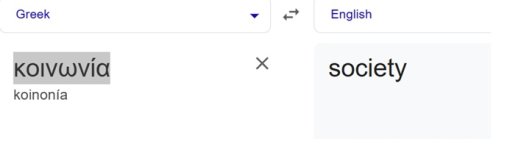
for your liberal communion unto them .
in final conclusion, i hope that Christians can read the original meaning of the manuscripts and take the original meaning for what it says without feeling that something has to be altered or ignored .... for with the surrounding context all things are made abundantly clear.