

Webster
Well-known member
- Joined
- May 11, 2019
- Messages
- 457
- Age
- 51
- Gender
- Male
- Religious Affiliation
- Seventh Day Adventist
- Political Affiliation
- Moderate
- Marital Status
- Single
- Acceptance of the Trinity & Nicene Creed
- Yes
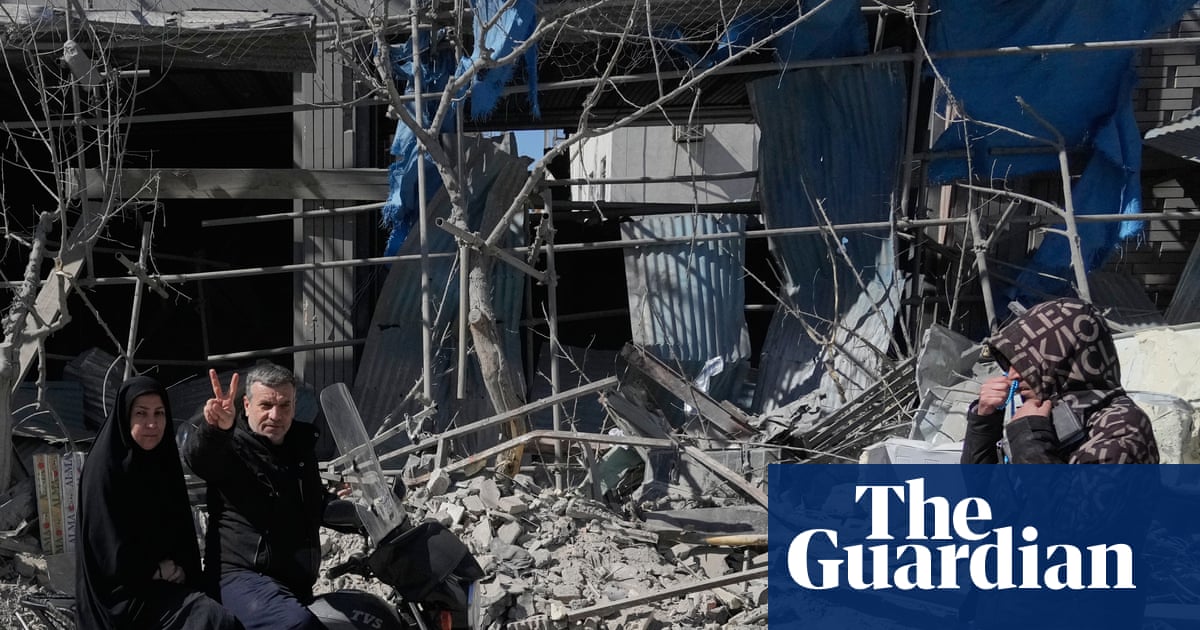
(The Guardian) Fear, defiance, and quiet celebration intermingled in Tehran with everyday chores, locals said, as Iran’s capital continued to be rocked by American and Israeli airstrikes.
Residents said that many had moved to the countryside or were trying to do so, believing that it was safer away from military targets. In Tehran, military and police installations were located in residential areas. There were rumours that security forces were moving into schools and mosques.
Reza, a carpenter who did not want to give his full name, said over the phone that vital public services like hospitals were open, but schools were closed. More security forces and their vehicles were visible on the streets, he said.
“The situation in Tehran is very tense, people are scared, and everyone is trying to stay home,” said Reza. “People are gripped by huge fear about more airstrikes.”
Amid an internet blackout, people were struggling to figure out how much of Iranian media reports about airstrikes at home and the country’s successes in hitting Israel and other nations was true. Some said that they were surprised how strong Iran’s military appeared to be, targeting many nations simultaneously and managing to keep up the barrage.
The streets of Tehran were quiet, but grocery shops and even restaurants were open. When there were airstrikes, people rushed to the roofs of their buildings to see what was hit.
The Guardian spoke to residents among the few in Tehran who had internet access over encrypted services, and reached others on their landlines.
 www.theguardian.com
Residents said that many had moved to the countryside or were trying to do so, believing that it was safer away from military targets. In Tehran, military and police installations were located in residential areas. There were rumours that security forces were moving into schools and mosques.
Reza, a carpenter who did not want to give his full name, said over the phone that vital public services like hospitals were open, but schools were closed. More security forces and their vehicles were visible on the streets, he said.
“The situation in Tehran is very tense, people are scared, and everyone is trying to stay home,” said Reza. “People are gripped by huge fear about more airstrikes.”
Amid an internet blackout, people were struggling to figure out how much of Iranian media reports about airstrikes at home and the country’s successes in hitting Israel and other nations was true. Some said that they were surprised how strong Iran’s military appeared to be, targeting many nations simultaneously and managing to keep up the barrage.
The streets of Tehran were quiet, but grocery shops and even restaurants were open. When there were airstrikes, people rushed to the roofs of their buildings to see what was hit.
The Guardian spoke to residents among the few in Tehran who had internet access over encrypted services, and reached others on their landlines.
âPeople are gripped by huge fearâ: defiance and hope on the streets of Tehran
Bombarded by the US and Israel, Iranians worry about how to survive, and what comes next
www.theguardian.com
